Showing posts with label Nursing. Show all posts

Sunday, 18 August 2013

Progress notes

I cannot believe that tomorrow marks week 4 of semester already! Time has been flying, yet passing so slowly at the same time :\ I haven't got much time to spend blogging but here is what has been happening...

I had my New Grad interview on Monday (12th Aug)! I'm not feeling 100% confident but it's over! My questions weren't too hard; I just found that I had a complete thought block and I put that down to how nervous I was :( Hopefully the panel take nerves into consideration! My questions were about: skills and role of an RN; a scenario; the multidisciplinary team; social media; CORE values; and infection control. Unfortunately now the long wait continues until early October when we get the result - offer, or no offer. I have also applied for a New Graduate Program within the private sector to increase my chances of getting something.

I'm yet to really get on top of any of my assessments - yes, partially my fault, but many thanks to factors out of my control. Last week a burst water main affected a few of the university buildings, and a result our online library was offline. That meant no access to databases, journal articles, etc. This proved frustrating on one hand because I was unable to access academic sources of information. However, on the other hand, I didn't feel guilty continuing my procrastination and even allowed myself a few sneaky wines! As of this afternoon, all systems are back in action; eeeeek, deadlines are looming! I am a little worried about having all the work done in time, especially because placement begins soon (read on!).

Lastly, placement begins soon! My four-week placement starts on August 26 and for that time I have AM shift. I'm surprisingly feeling good about placement (which is rare - I only ever associate really negative words with placements!) and am not only looking forward to consolidating my clinical skills, but also getting my head around AM shift and giving everything a good go. Up until last semester I'd never had an AM shift before. EVER! And it sucked, but that's another story. There are four of us that are renting a house in Orange and I am able to take my gym membership with me which is fantastic! My man plans on driving out to visit on the weekend too!

Besides university and work, I've been trying to keep myself sane and get back into some kind of routine! Before uni went back, I went camping for a weekend in Karuah National Park. Absolutely beautiful there and our campsite had a great view of the river. The following weekend, made it to Awaba State Forest for a 4WD which was good fun and resulted in another part of the 4WD giving in. Yay for repairs...

And last Friday, most of the Wolfpack reunited for a Thai dinner in the city! It was amazing to catch up with everyone and see what people have been up to since Thailand.


Aaaaanyway, I best be off to prepare for class tomorrow and get my bag packed. I hope to post more regularly but I'm sure you understand how hard it is. I just keep reminding myself that there is finally light at the end of the tunnel!

Cheers to a productive day today!

Thursday, 25 July 2013

Elephants bring good luck, especially when the trunks are up


I'm sitting in my home in Sydney, where the weather is 16.9 degrees, a drop of 15 degrees from what it is currently in Bangkok. It's been almost 2 weeks since I arrived home, and the trip now feels like a dream. I flick through my photos and think about what I experienced... and it all seems like a million worlds away. The most trippy part for me is wrapping my head around the fact that I finally made it overseas for the first time!

When I think back to arriving in Bangkok and venturing out for the first time I can't help but laugh. I had these horrible ideas in my head of being followed or pick-pocketed, yet I felt so safe and accepted. I remember worrying about what I'd be eating and feared getting sick, yet I ate fresh fruit, drank iced drinks and brushed my teeth with tap water! But most importantly, I kept my mind open to what lay ahead of me and what I would be experiencing as part of the Experiential Nursing Program. I knew before the trip that barriers in verbal and non-verbal communication would exist, and these barriers required me to be flexible and adaptable when interacting with people. Learning a few words in Thai definitely helped and it is evident that a smile can mean a lot. Also, being immersed in an unfamiliar culture compelled me to be aware of my own beliefs and customs and I remained open-minded to new and differing scenarios, always conducting myself in a culturally safe and appropriate manner.

I struggle to think of anything that would have enriched my life or influenced my personal or professional development to the extent that this trip has. I can say that without a doubt, I returned home with a greater appreciation of the health care available in Australia and a greater understanding of socioeconomic issues and their impact on health in developing countries. Where do I begin describing what I witnessed? Diseased and injured organs and limbs. Forensic photographs of horrific accidents. Babies born with lethal abnormalities. Women swaying around poles atop bars, expressionless. The sad result of sex tourism and children left in orphanages. Rubbish dumped in streets. A homeless man and his dog sleeping underneath the train station. Unprotected motorcycle and scooter riders transported 2, 3 or 4 passengers. Polluted waterways filled with rubbish and dead fish. Exquisite temples standing between rundown apartments and tall commercial towers. Markets selling medications that would require a prescription if sold in Australia. Women begging for money with children asleep in their laps. Private hospitals filled with international clients. People living with HIV socially isolated and forgotten about.

All of this just emphasises the fact that health care should be a right, not just something that exists to those who can afford it. The focus of health in Thailand needs to change from elective and cosmetic, to prevention of illness and promotion of health; through increasing education, eliminating stigma, and reducing social inequalities. Our visits during the program also highlighted the need for better equipped rural and remote facilities and recognition of their importance in the health care system for reaching disadvantaged populations.

Overall, this experience confirms my choice of career: Nursing, the art of care and healing that translates universally regardless of language, country, and culture. I know that I am destined to do more than work on a general ward; I want to be working to help the disadvantaged, I want to work in rural Australia, I want to travel overseas and see where nursing can take me, and I want to contribute to changing the culture of nursing in Australia.


Things I'll miss about Thailand:
  • Living in a completely unfamiliar environment and culture
  • Walking through the city and exchanging smiles with strangers
  • Meaningfully relating to people non-verbally
  • Venturing out in to the city not knowing what to expect
  • Seeing squirrels scurry along power lines
  • Playing with gorgeous and happy children
  • Sleeping less than 6 hours a night and dreaming about the buffet breakfast I'll wake up to
  • The buffet breakfast
  • The street vendors and fresh produce
  • Being able to afford to eat prawns in every meal
  • Conversing in a new language (Sawaadee-ka!)
I will even miss:
  • Waking up so early to allow copious amounts of time for traffic
  • Eating too much food because it is too delicious not to consume
  • The heat and the interesting smells
  • Sitting on a bus for hours being able to absorb the views of changing landscapes
  • Blowing my nose every 30 seconds while eating the spiciest meals
What I'll remember for the rest of my life:
  • Being so welcomed into an entirely different environment and culture
  • Discovering an absolute love and passion for travel
  • Participating in a rich learning experience and further discovering my interest in health care
  • Pushing myself beyond my comfort zone and surviving
  • Immersing myself in the experience and making the most of every moment!

But for now, reality beckons. A few days ago I received my subject results for last semester; 3 Distinctions and a High Distinction - absolutely stoked! On Monday, I'm back at university for the last 6 months of my degree! It's all starting to feel a little more real, especially with my New Graduate Interview date fast approaching. I also have an upcoming placement in Orange (Western NSW) which will give me a perspective of rural nursing and I cannot wait!

Thursday, 11 July 2013

Farewell dinner

Thursday 11th July

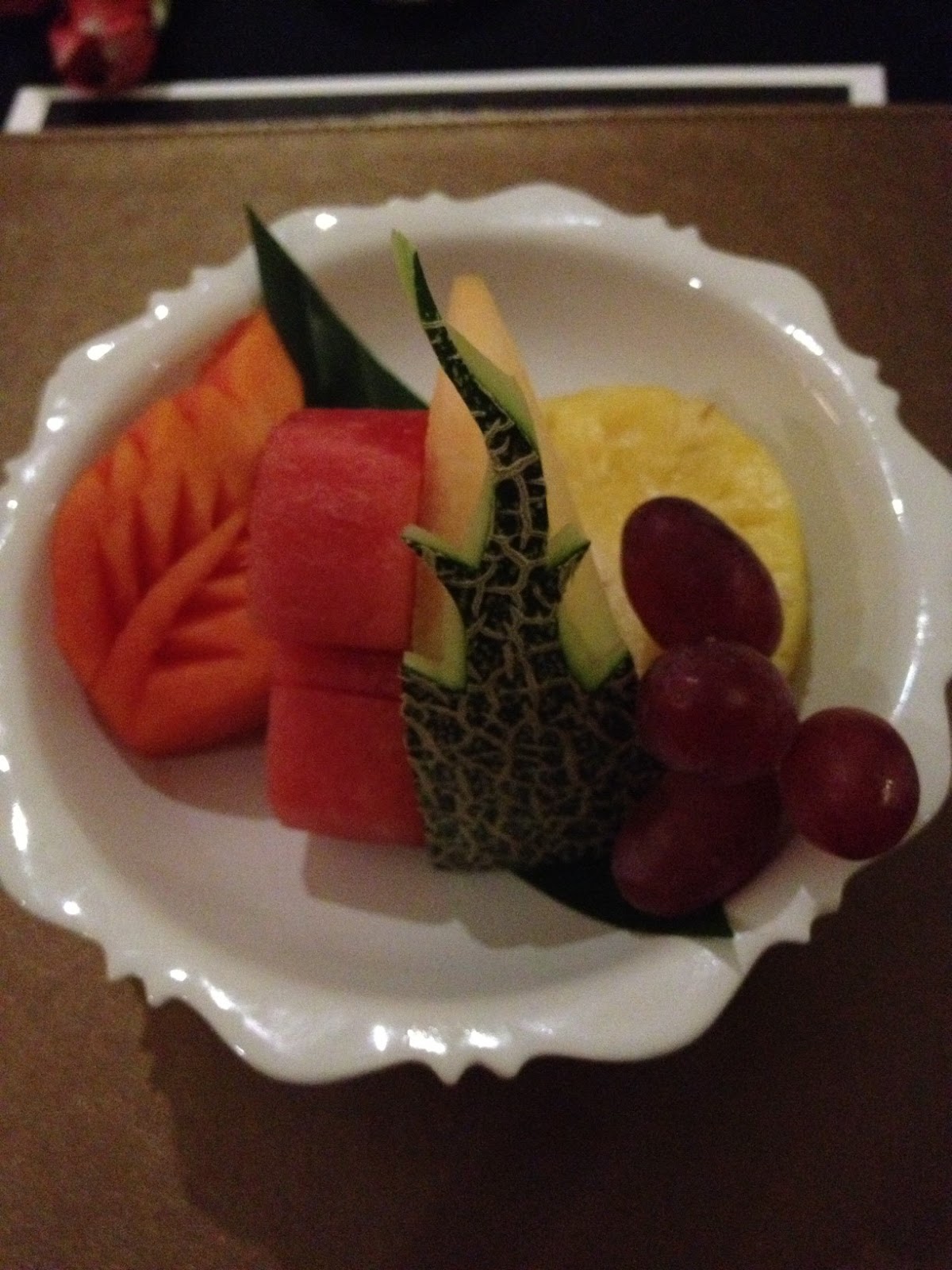
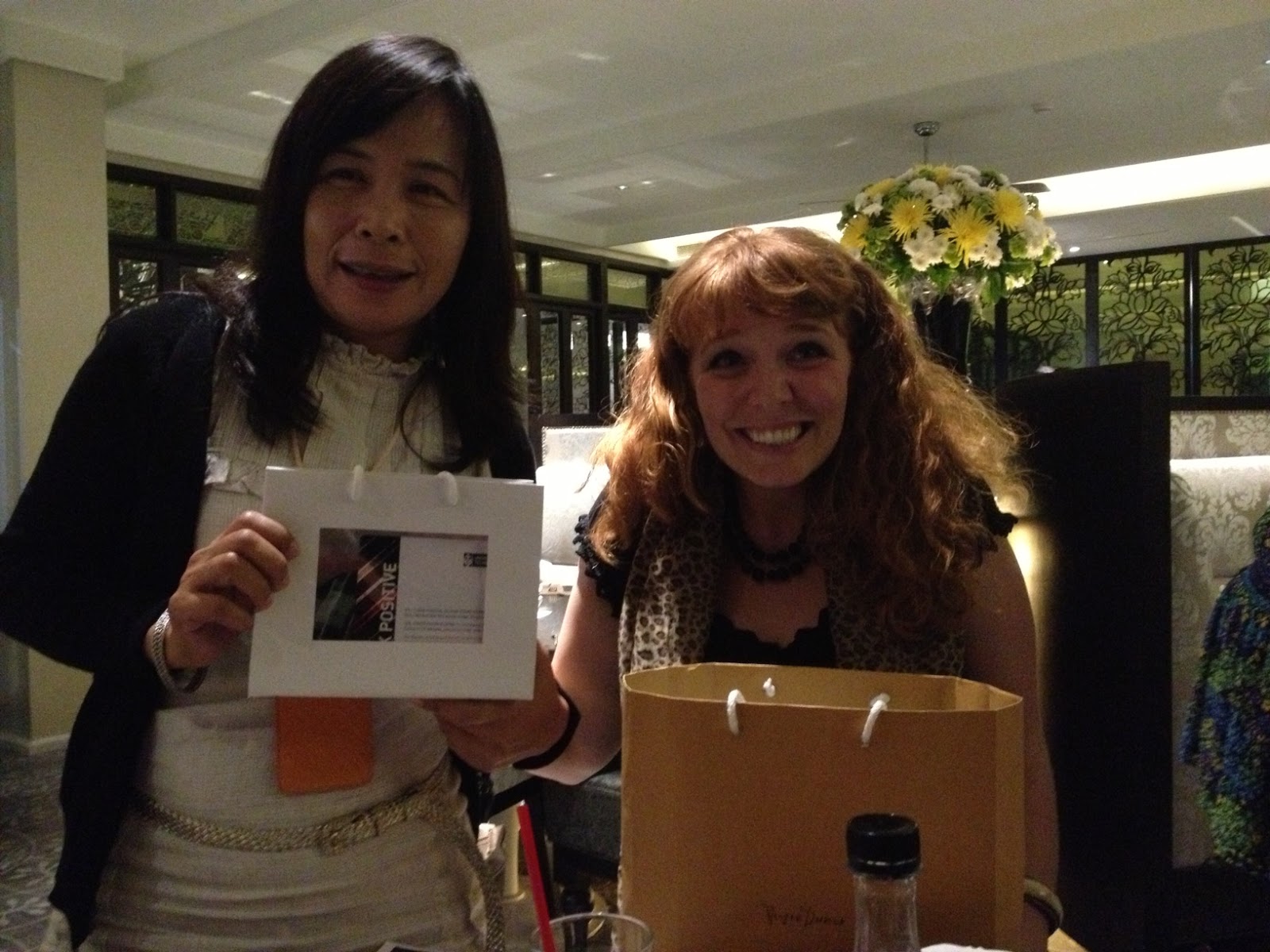
After a busy day filled with informative meetings, unfortunately the nursing program had come to an end. The last official spot on the itinerary was dinner at the Hua Chang Heritage Hotel, just down the road from the Ibis. The food was absolutely divine but the company was even better :) As sad as I was that it was the last day of the program, it was a great chance to reflect on our time in Thailand and spend time with some pretty awesome people. Emma and Nok were both received thank-you gifts from the group and we all feel very lucky to have had such wonderful leaders guiding our tour. I also feel so privileged to have received this opportunity; a massive thank you to UTS BUiLD!


Health for Wealth Day 11 - UN & TRCS

UNAIDS - United Nations

Yet again, we arrived at our first destination, the United Nations, extremely early. The bus drove us to the Grand Palace area just down the road and we had time to have a look around and take a few photos. Since 1792, the palace has been the official residence of the Kings of Siam, the Royal court and the administrative seat of government.


United Nations Building, Rajdamnern Nok Avenue, Pranakorn, Bangkok 10200


Upon entry we were required to go through security, have our bags x-rayed and hand over our passports in exchange for a name and security pass. We made our way to a small board room within the UNAIDS department and had the pleasure of meeting Steve Kraus. Yes, Steve Kraus, the Director of the Regional Support Team for Asia and Pacific, a pretty big deal! We were all buzzing and in that moment I felt so privileged to have such an opportunity. He also gave praise to Australia's financial and technical involvement and support of UNAIDS, outlining that many interventions have so far proven successful, e.g. safe injection sites and opiate substitution therapy.


VIP for a day

*there is an abundance of information about HIV/AIDS in Asia and the Pacific and regarding strategies to decrease new infections, reduce stigma and increase education, but I will just outline some basic information that I learnt during my visit*


HIV and AIDS estimates in Thailand in 2011:
  • Number of people living with HIV - 490,000
  • Adults aged 15 to 49 prevalence rate - 1.20%
  • Adults aged 15 and up living with HIV - 480,000
  • Women aged 15 and up living with HIV - 200,000
  • Deaths due to AIDS - 23,000
  • Orphans due to AIDS aged 0 to 17 - 250,000
  • 70% of new HIV infections happen in 27 provinces          (Source)

Epidemic is concentrated among key populations:
  • People who inject drugs
    • In some geographical locations, over 50% of PWID are living with HIV
  • Female sex workers
  • Clients of female sex workers
  • Men who have sex with men
    • 7-31% of MSM are HIV+, and this % is on the rise especially in large cities and popular tourist locations
  • Male sex workers
    • There is generally a higher % of male sex workers with HIV than female sex workers, and is as high as 18% in geographical hotspots
  • Transgender and Transgender sex workers
    • There is currently no data on population sizes and limited data on HIV prevalence
    • Where there is data, it indicates high prevalence in cities

UNAIDS 10 TARGETS AND COMMITMENTS
  1. Reduce sexual transmission of HIV by 50% by 2015
  2. Reduce transmission of HIV among people who inject drugs by 50% by 2015
  3. Eliminate new HIV infections among children by 2015 and substantially reduce AIDS-related maternal deaths
  4. Reach 15 million people living with HIV with lifesaving antiretroviral treatment by 2015
  5. Reduce tuberculosis deaths in people living with HIV by 50% by 2015
  6. Close the global AIDS resource gap by 2015 and reach annual global investment of US$22-24 billion in low- and middle-income countries
  7. Eliminate gender inequalities and gender-based abuse and violence and increase the capacity of women and girls to protect themselves from HIV
  8. Eliminate stigma and discrimination against people living with and affected by HIV through promotion of laws and policies that ensure the full realisation of all human rights and fundamental freedoms
  9. Eliminate HIV-related restrictions on entry, stay and residence
  10. Eliminate parallel systems for HIV-related services to strengthen integration of the AIDS response in global health and development efforts

Division of labour:

UNAIDS brings together the resources of 11 UN system organisations for coordinated and accountable efforts to unite the world against AIDS. A division of labour guides the support offered to ensure that countries receive the best technical support and avoids duplication of work in specialised areas.

  • UNHCR - The Office of the United Nations High Commissioners for Refugees
  • UNICEF - United Nationals Children's Fund
  • WFP - World Food Programme
  • UNDP - United Nations Development Programme
  • UNFPA - United Nations Population Fund
  • UNODC - United Nations Office on Drugs and Crime
  • UN Women
  • ILO - International Labour Organisation
  • UNESCO - United Nations Educational, Scientific and Cultural Organisation
  • WHO - World Health Organisation
  • The World Bank          (Source)


Stigma and discrimination still remain to be large barriers impeding effective HIV responses. So what is being done?
  • Since 2010, China, Fiji and the Republic of Korea have all revoked travel restrictions for people living with HIV
  • India, Indonesia, Papua New Guinea and Thailand have implemented programs to ensure that law enforcement does not pose as an obstacle to HIV treatment and prevention
  • In Thailand in 2011, more than 60% of people eligible for antiretroviral therapy were receiving it
  • The government is funding more than 84% of the HIV response with domestic resources
  • Objectives include: support schools to teach sex education and promote safe sex for sexually-active youth; improve access to condoms; screen donated blood for HIV and appropriately used blood and blood components in treatment; provide treatment and holistic care to people living with HIV, their families and other affected people; create opportunities for learning and training to improve understanding about basic human rights and sexual rights among service providers and the general community with the aim of reducing stigma and discrimination; empower key affected populations so they know about their rights and can access protection services; and change attitudes of society in Thailand.         (Source)


"Today, we have a chance to end this epidemic once and for all. That is our goal: Zero new HIV infections, Zero discrimination, and Zero AIDS-related deaths." 

United Nations Secretary-General Ban Ki-Moon, at the United Nations General Assembly High Level Meetings on AIDS, June 2011.


"Don't be afraid to be a change agent." 
Steve Kraus, at the meeting with 20 University of Technology Sydney students, 11th July 2013.


I found this presentation extremely interesting and educational and I will take a lot of this knowledge with me. I believe that my role as a Registered Nurse when caring for patients infected allows me to be supportive and reduce stigma and discrimination, thus aiming to reduce barriers to accessing and adhering to treatment. Despite developing countries having a higher prevalence of HIV/AIDS, Australia has seen a notable rise in HIV infections in the last year, reiterating the worldwide need for increased awareness and education, access to holistic care and treatments, and well-equipped health professionals free from stigma.


The first REAL coffee of my trip at the UN!


Thai Red Cross Society

The TRCS was founded in 1893 with the objective of alleviating suffering. In 1920 it became recognised by the International Committee and quickly became the largest humanitarian society in the country.


4 Chang Wat, Bangkok 10330

We were welcomed immediately upon our arrived at the Thai Red Cross Society (TRCS) and had a few group photos taken. We were then led to a meeting room for a presentation on the TRCS and the work they do in responding to disasters in Thailand. Wanpen Inkaew and Somjinda Chompunud delivered presentations to us containing the following information and more.

The TRCS functions in four main areas:

  • Medical and health care
  • Disaster preparedness and response
  • Blood transfusion services
  • Quality of life promotion

Disasters in Thailand
Natural: flood, drought, storm, landslide, tsunami
Made-made: fire, chemical and hazardous material incidents, transport hazards, sabotage threat


TRCS response to the 2011 floods
Between 25 July and 9 December 2011, the Department of Disaster Prevention and Mitigation reported that as a result of tropical storm "Nock-Ten" a total of 65 provinces were affected - in 684 districts, 4,917 sub-districts, 43,600 villages - affecting 13,570,873 people, 680 people died and 3 people missing.
  1. On 13 December 344,012 relief kits and 324,944 packs of bottled water were distributed
  2. Between 22 September and 2 December, 4 mobile relief kitchen units prepared 439,830 meals for affected people in 8 provinces
  3. Between 1 October and 9 December, 2-4 mobile medical units traveled by flat bottom boats to reach 13,393 affected people in 7 provinces. Each unit consisted of a doctor, pharmacist and nurse.
  4. 22 flat bottom boats evacuated 78,680 flood-trapped people in 13 provinces between 6 September and 10 December
  5. Between 6 September and 10 December, 8 water purification units were sent to 6 provinces and produced 5,160,000 litres of water for 258,000 affected people
  6. 448 shelter box sets were distributed. Each box supported a family of 5 people and consisted of a tent with a raised floor, bedding, kitchen utensils and daily necessities
  7. 20 floating toilets were provided in Pranakom Sri Ayutthaya and Nonthaburi provinces
  8. 583 boats were distributed to affected people in 9 provinces
  9. 48,000 ready-to-eat meals were distributed to 7 provinces


The Thai Red Cross College of Nursing
The College was established in 1914 as a contribution of Queen Sripatcharintra - Wife of King Rama V and the first present of the Thai Red Cross Society. It is recognised as the first nursing school that offered a general nursing practice program in Thailand and initially offered a three-and-a-half year nursing and midwifery program up to 1964. Currently the Bachelor of Nursing Science program and post-graduate programs are offered at the college with 700 students enrolled, of which only 5% are male students. The college offers onsite dormitory living to female students. To date, over 8,571 Registered Nurses, 976 Nurse Specialists and 1,687 Practical Nurses have graduated from TRCN.

Disaster education
There is no official disaster nursing course in Thailand's educational system (and certainly not in Australia's educational system either, well, at least not that I know of!). TRCN's current curriculum incorporates 3 credits of disaster nursing (2 credits of theory and 1 credit of practical demonstration) and integrated content of emergency/community health nursing in the third year of study. Supportive teaching materials include magnetic models of disaster situations and interactive computer games for triage care during earthquakes, floods and fires.

Costs
  • The BNS tuition fee for full-time study is approximately 20,000 baht per semester
    • Approximately $8,422 AUD for the entire degree
  • Accommodation costs 20,000 baht per semester
    • Approximately $2,105 per year
  • Scholarships, awards and financial assistance from the college and the government are available to eligible students

I was quite impressed by the all the work the TRCS does in response to humanitarian crises and they appear to be well equipped. In operation is a Disaster Health Training Centre where child protection is its first priority and creates safe places for children separated from their parents or orphaned. The centre trains people to be capable and resourceful volunteers, and these volunteers are looked after during and after their volunteer work through activities such as yoga and meditation to alleviate stress. The TRCS are also very focused on improving disaster care education and are currently working on improving the nursing syllabus and textbook. I hope that one day I am able to return to Thailand and participate in volunteer work; perhaps with the TRCS or another organisation that helps people in crises in rural and remote areas!

Wednesday, 10 July 2013

Health for Wealth Day 10 - RSU

Rangsit University

The drive this morning took us north beyond the province of Bangkok and into Pathum Thani. It was an enjoyable drive with changing landscapes, vast street vendors, and a display of extreme living conditions.


52/347 Muang Ake, Phaholyothin Road, Lak Hok, Pathum Thani 12000


In the cafe we were met by Jeffrey Wollentin, the Director of International Affairs. He was extremely welcoming and lead us to the board room where we were then introduced to the Assistant to the President for Internationalisation, Jeroen Schedler. He opened the presentation with an extremely interesting and educating talk about Thailand and Pattaya as he was made aware of our visit, and empowered us to be adaptable, accepting, and culturally competent people. A great example he used is as follows: a meeting may be scheduled for 10am, yet Thais may arrive any time after 10:15am. Is that annoying and frustrating because they are not on time? Or is it smart and advantageous because it's give people time to talk, network and share ideas, resulting in a smooth-running meeting? Morale of the story - be open-minded to different ways of doing things, develop strategies and coping mechanisms, and not block our minds with opinions and miss potential opportunities and experiences.


The presentation went on to introduce the history of RSU and the courses it provides. RSU is one of six universities/colleges to offer an International Nursing Program in Thailand - these programs are classified as 'International' as they incorporate English into their teaching. However, RSU is the only institution to offer a unique overseas component, with students completing their fourth year of study in Sweden.


Rangsit University history:
  • Opened in 1986 as Rangsit College, only accepting 50 nursing students
  • In 2000, the Exchange Nursing Program started
  • In 2002, the Master Degree Nursing Program commenced
  • 2010 marked the beginning of the Double Degree Nursing Program, containing an extra 20 credit of English
  • Following the floods in late 2011, the gardens were spray painted in preparation for early 2012 graduation ceremonies

Bilingual Double Degree 4-year Nursing Program
The double degree is made possible with cooperation between the School of Nursing at Rangsit University, Thailand (RSU) & School of Health, Care, and Social Welfare at Malardalen University, Sweden (MDU). Total tuition fees: 720,000 THB

The two degrees studied are a Bachelor of Nursing Science (RSU) & a Bachelor of Science in Caring Science (MDU). The structure provides good value and balance containing anatomy, physiology and pharmacology from RSU, and 'caring science' and the art of nursing from MDU. The fourth year of the program is taught in Sweden. English is used in the general education and elective courses, and bilingual language is used in the 'Foundation' and 'Nursing' courses at 50/50 in proportion.

Thai teaching staff
A Student Nursing Council handles affairs on campus. Thai teaching staff require at least a Masters Degree to be able to teach at the university. As well as maintaining Thai culture and traditions, they work with international staff to help introduce and foster new ideas.

Dr. Kaitsara Sen-Ngam, Assistant Professor of the Bilingual Program, and Pranee Tudsri (RN, MA) then gave presentations about the current health of Thailand and child health care. I found this to be the most educational presentation of our Experiential Program and found it interesting to learn about the health of a developing country. I will share some information below.


Health of the population of Thailand
  • 0-14 years of age = 25.5% of population
  • 15-59 years of age = 67.4% of population
  • > 60 years of age = 11.1% of population, expected to reach 14% by 2015
  • Life expectancy of males in 1964 was only 55.9, increased to 70.6 in 2010 and is estimated to be 76 in 2030
  • Life expectancy of females in 1964 was 62, increased to 77.5 in 2010 and is estimated to be 82.7 in 2030
  • The elderly are cared for by their families, with many families living in multi-generational arrangements, thus decreasing the burden on the health care system and reducing the risk of hospital-acquired infections
    • An arising problem is increasing depression due to decreasing socialisation of the elderly
    • Nursing homes do exist but only for the very sick when families are unable to assume care

Major causes of death
The leading cause of death of males and females is cerebrovascular disease, 9.4% and 11.3% respectively. This is followed by road traffic accidents, AIDS and ischaemic heart disease for males (8.1%, 7.9% and 6.4%), and diabetes, ischaemic heart disease and undefined causes for females (8.0%, 7.5% and 7.2%). These causes are not too different from those in Australia. The major causes of death among 0-14 years are perinatal asphyxia, birth trauma, road traffic accident and accidental drownings, and among 15-49 years is HIV/AIDS and road traffic accidents, highlighting a population at risk of HIV/AIDS infection. We were told by Dr. Kaitsara that currently the US has a vaccine for HIV in the works...

Risk behaviours of children and adolescents are eating behaviours, sexual behaviours (thus HIV), drug addiction, cigarette smoking, alcohol consumption and driving behaviour. There are multiple health problems as a result of communicable and non-communicable diseases: diarrhea, acute respiratory infection (with pneumonia being the number one cause of death in infants), dengue haemorrhagic fever, encephalitis, HIV/AIDS, tuberculosis, as well as low birth weight and premature births, obesity, malnutrition, dental caries, asthma, cancer, renal disease, blood disorders, pollution, car accidents, water-related accidents, and mental health problems. Drownings in Thailand are largely related to low safety standards and this can be seen by children swimming in rivers and canals unsupervised and with no barriers to prevent entry to the water. This may be due to the water being an important transport route in Thailand. There are also currently no government campaigns or programs. As I have mentioned in a past post, mental illness are still taboo in Thai culture with many individuals seeking help the traditional way. With temples still the first stop for those experiencing mental and emotional ailments, awareness of mental illnesses is slowly increasing in Thailand and the Bachelor of Nursing Science includes 6 credits of study about mental illness. Wat Pho is an example of such a temple that contains monks who may specialise in medicine, meditation and oriental medicine.


Health service system in Thailand


Family-centred care
It has been recognised that the family is the major participant in the assessment and treatment of a child and adolescent. Families have the right and responsibility to participate individually and collectively in determining and satisfying the health care needs of their child.


Primary care
For primary care to be successful it must be accessible, holistic and provide continuity of treatment. Use of appropriate technology allows responses to reflect the changing health needs of the community and individuals.


Child health services

Antenatal care:
  • Health promotion, preventative health services and health education
  • Prevention and treatment of anaemia
  • Tetanus toxoid immunisation
Postnatal care:
  • Promote breastfeeding
  • Nutrition assessment
  • Lifestyle and emotional counselling
  • Family planning
Child health care (0-5):
  • Immunisation completion
  • Promotion of good nutrition and eating habits
  • Assessment of growth and development
  • Home visits


It was then time for lunch where there was a huge buffet put on for us and we were able to sit and converse with some of the current nursing students of the university. We had some students sing their nursing song to us in Thai and handover beautiful flowers as a welcome gift, and then had a quick tour around the School of Nursing and were shown some of their clinical laboratory rooms which were quite impressive. Again, I instantly felt like friends with these students thanks to the common interest and passion in nursing. They were all so eager to talk to us and practice their English communication.


Overall, I was extremely impressed by everything we were told and what we saw around the campus. I am a little jealous of the double degree RSU offers, and would have definitely been interested in such a course had it been offered upon my enrolment in Sydney. They have a great emphasis on international development and have relationships with many universities around the world including the University of Queensland and Griffith University in Australia. It was also great to gain a broader perspective on health issues and needs that are impacting on a developing country.

Tuesday, 9 July 2013

Health for Wealth Day 9 - Vejthani Hospital & Siam Reiki

Vejthani Hospital

It was an early start this morning - to allow plenty of time for traffic, of course. We arrived at the hospital about 30 minutes early but that meant time for coffee! I was really excited for a presentation about maternity and paediatric care, but it was an opportunity for the hospital's facilities to be put on show from an executive perspective, unfortunately again the meeting not matching the itinerary's focus.

1 Ladprao Road, 111 Klong-Chan, Bang Kapi, Bangkok 10240

Vejthani Hospital was established in 1994 with the vision to be the leading private health services provider dedicated to delivery of high quality responses to society's changing health care needs.

Hospital capacity:
  • 12 storey building (34,964 sq. m.)
  • 500 inpatient beds
  • 95 Grand Single rooms, 10 Suites, and 11 VIP Suites
  • Over 300,000 patients per year
  • International patients from over 40 different countries
    • Most patients are Arabic

Staff:
  • Over 700 full-time employees
  • Over 300 physicians and dentists
  • Over 200 nurses
  • International Correspondence team
    • Overseas offices in USA, UK, Australia, Canada, China, Bangladesh and UAE

Inpatient services:
  • Adult Intensive Care
  • Renal Dialysis Unit
  • Paediatric Intensive Care
  • Grand Wing Inpatient Department
  • Arabic Inpatient Department
  • Paediatric Inpatient Department

Outpatient services:
  • 24 hour emergency care - Ambulance and Mobile Critical Care Fleet
  • Consult rooms and peaceful environments for patients awaiting test results, including an area for massage
  • Outpatient surgery
  • Clinics including - allergy, breast, cardiology, colorectal surgery, dialysis, ENT, endocrinology, eye, gastroenterology and hepatology, hand, hematology, infectious diseases, nephrology, neurology, neurosurgery, obstetrics and gynecology, orthopaedics, plastic surgery, psychiatry, radiology, rehabilitation, respiratory, rheumatology, skin laser and cosmetics, spine, thoraric, ART (assisted reproductive technique), TJR (total joint replacement), and urology.

Facilities and Services:
  • 3 separate check-in and service counters
    • Arabic
    • Thai
    • International
  • Multilingual interpreters
  • Restaurants, coffee shops, Thai massage, and book and toy stores
  • Internet services and WiFi
  • 500 vehicle carpark
  • Airport transfers and travel arrangements
  • Prayer rooms
  • In-house serviced apartments and hotel accommodation
  • Multiple customer contact lines: English, Arabic, Bangla, Myanmar, Russian and Ethiopia hotlines


What seems to be a typical view from a private hospital ward room


The hospital prides itself on its specialisation in ART and TRJ, adopting computer navigation and minimally-invasive techniques. New technologies extend to its Yuyama automated pharmaceutical robot, allowing for electronic medication ordering and smart dispensing (but not administration to the patient!). I felt as though there was still a huge focus on plastic and cosmetic surgery with the tag line being "Beauty is within reach".

We were given a tour of the hospital by Sawitree (DNS) and it all felt much the same to every other private hospital we had visited. I left a little confused as I asked one of our hosts about mental health facilities and I was told that no mental health facilities exist in the hospital, however the website states that there is a psychiatry clinic. Mental illnesses are still taboo in Thailand and temples are usually the first and only place where people who suffer from mental ailments go to seek help. Check out this article for an interesting read about participation of religious organisations in mental health care in Thailand.

Interestingly we also learnt here that organ donation is not yet legal in Thailand, and there is no voluntary system for donations, including bone marrow. Only family donations are accepted from living donors between 18-65 years old. In saying that, Australia is currently ranked only 17th in the developed world with its "opt in" consent law. Countries including Spain, Belgium, France, Norway and Italy achieve much higher donation rates with "informed consent" laws, where everyone is considered a donor unless they specify otherwise.

I could go really on with my reflection contrasting various aspects of Australia health care and its facilities to Thailand, but I will leave you with some food for thought. In all private hospitals we have visited to date there has been no mention of education regarding illness prevention or health promotion. Is this contributing to the focus of plastic and cosmetic surgeries? Rather than investing in pharmaceutical robots worth millions, could money be better spent, with money redirected to the public/rural/community sectors? 


Institute of Applied Holistic Health Sciences

A change to our afternoon itinerary had the group under the impression we were off to learn about holistic care of the elderly - sounded strange as we had learnt that Thailand doesn't have 'nursing homes' like Australia does. Where we found ourselves was Siam Reiki at the Institute of Applied Holistic Health Sciences with two Reiki Masters: Katherine and Mohana.

Siam Reiki: 4115 Rama IV Road, Phra Khanong, Bangkok 10110

Having not heard much about Reiki in the past I was quite interested in this different approach to health and healing. Reiki (meaning universal energy) is a hands-on therapy focusing on energies and vibrational frequencies, and works by expanding auras and the seven chakras. A reiki therapist acts as a channel so that the energy is transferred to the recipient and thus identifying areas of congestion. The causes of these blockages can be spiritual, mental, emotional or physical and are usually detected before physical symptoms become apparent.

I won't go in to too much more detail, but reiki supports medical procedures and practices and neither conflicts or interferes with treatments. It aims to assist in healing of the body quickly and naturally. Reiki is also a consistent method for relieving and reducing stress, tension and hypertension by releasing congested energy produced by day-to-day activities.

Siam Reiki was founded in Bangkok in 2008, with the Institute of Applied Holistic Health Sciences established in 2010 in response to the increasing need for international standards of quality control and procedures in training. Courses are run to include an assessment of students to ensure the development of competent practitioners, and courses are recognised professionally enabling practice in medical, spa and health resort areas. Overall, it was a very interesting experience and I do believe there is a place for holistic practices in modern health care.


Upon arriving at the hotel, it began to rain very heavily. Kate and I were keen to check out the department store in Siam Paragon, and I bought myself another pair of shoes before heading to MBK for another wander around. It was a very successful shopping expedition!

Shopping in MBK: Sunscreen not available in Australia!